FloodCaliber™ reads your loan files, works out the flood coverage each building needs and links every number to its source page. Scroll to follow one sample loan.
Bayview Commerce Park LLC, a Florida limited liability company
Guarantor(s)
Principals of borrower, jointly and severally
Request
Refinance of existing commercial real estate loan
Principal
$1,450,000.00
Rate / term
6.35% fixed; 10-year term, 25-year amortization
Collateral
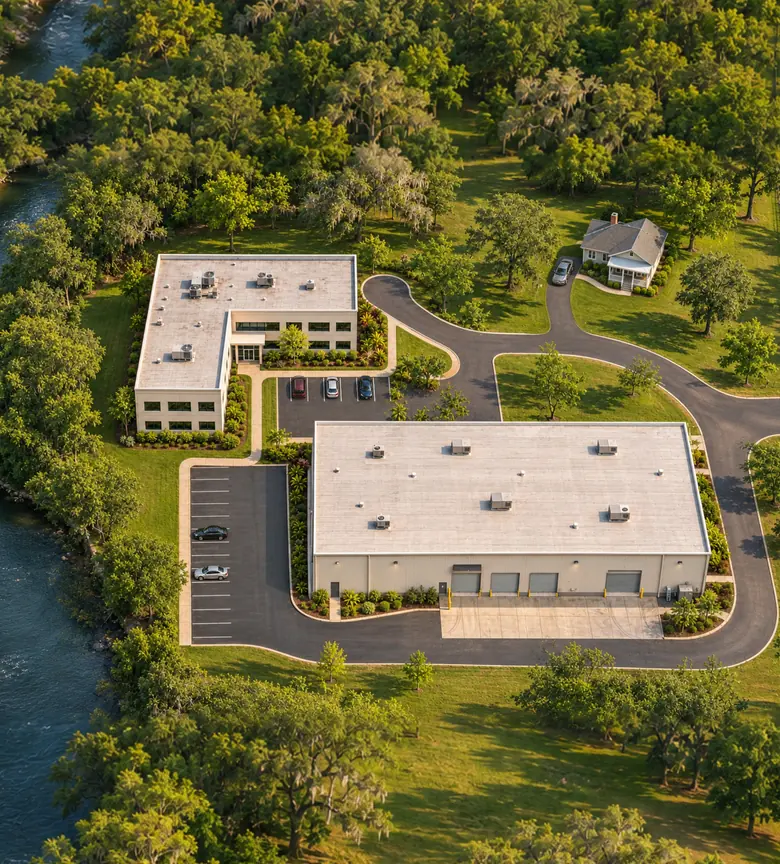
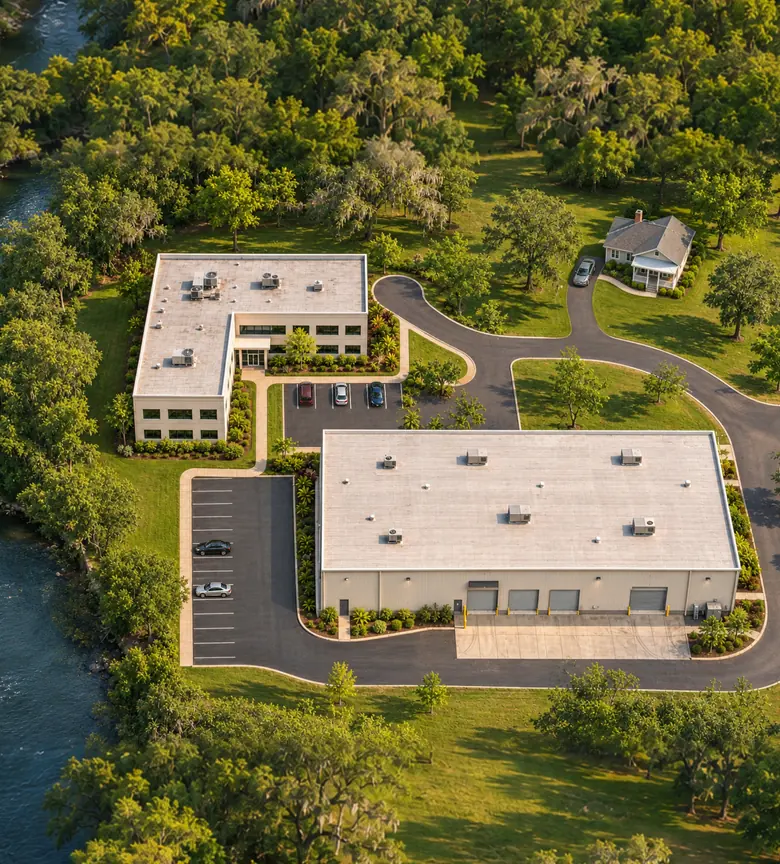
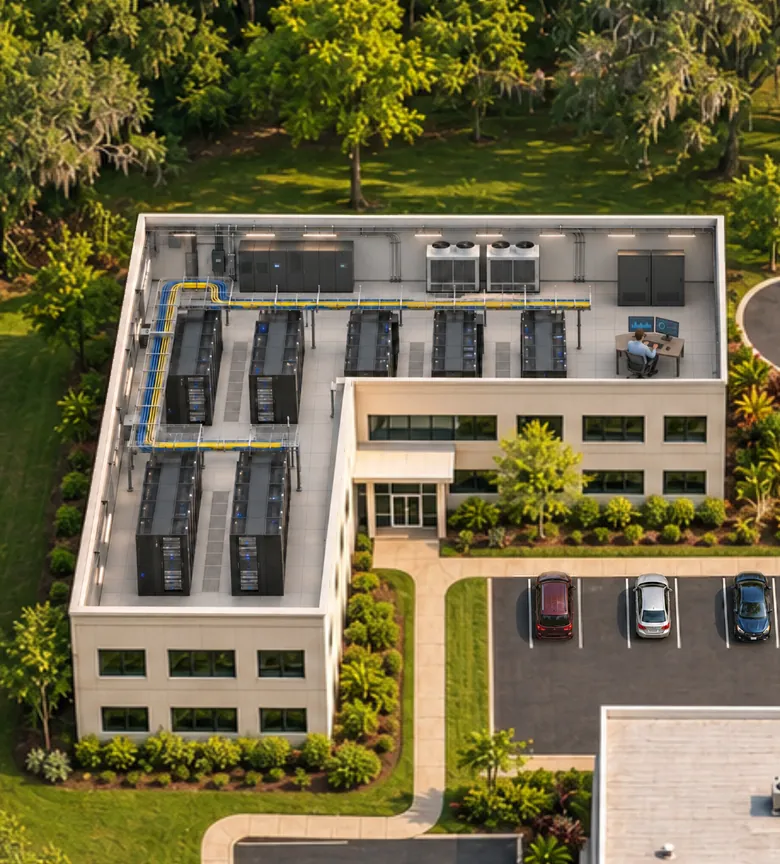
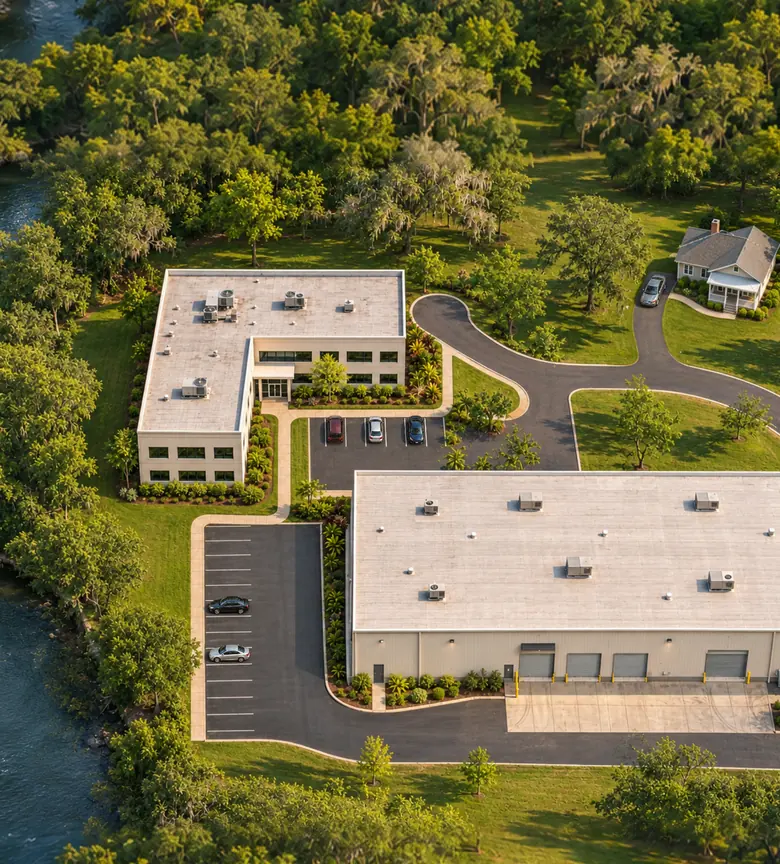
First mortgage on Bayview Commerce Park, 1800 Bayview Commerce Pkwy: office, warehouse and caretaker’s house. Business contents of the office (server room), $120,000
Flood
Flood determination required for each building. Flood insurance required before closing and for the life of the loan (12 CFR 208.25).
Insurance
Hazard and flood policies naming Port Halden Community Bank, ISAOA/ATIMA, as mortgagee and loss payee.
Satisfactory appraisal supporting a loan-to-value ratio not exceeding 75%.
Standard Flood Hazard Determination Form for each building, dated within 30 days of closing.
Evidence of flood coverage in an amount acceptable to the bank before closing.
Executed borrower notice of special flood hazards, delivered a reasonable time before closing.
R. AlvarezRosa Alvarez, Vice President Commercial Lending
M. OkaforCredit Administration
ApprovedCredit Committee · 10/06/2026
Port Halden Community Bank · ConfidentialPage 1 of 3
Sample
Loan approval
Northmere Valuation PartnersCommercial real estate appraisal & consulting
File No. NVP-26-0412 Effective date of value: 09/22/2026 Report date: 09/30/2026
Summary of salient facts and conclusions
Property name
Bayview Commerce Park
Location
1800 Bayview Commerce Pkwy, Port Halden, FL 33000
Owner of record
Bayview Commerce Park LLC
Intended user
Port Halden Community Bank
Property type
Three buildings: office, warehouse, residence
Flood zone
Zones AE and X; see flood determinations
Insurable value by building
1 Office, two stories · replacement cost new
$1,200,000
2 Warehouse · replacement cost new
$210,000
3 Caretaker’s house · replacement cost new
$180,000
Total, building improvements only
$1,590,000
Land and site improvements
Excluded
Basis of insurable value
Insurable value is provided for the intended user’s insurance purposes and is not a market value. It reflects replacement cost new of each building, excluding land, site improvements and personal property. Flood zone information is taken from the current FIRM and should be confirmed by a flood determination.
D. NorthmereCertified General Appraiser
Northmere Valuation Partners · NVP-26-0412Page 2 of 41
Sample
Appraisal
Determination No. KFC-2610-41871Page 1 of 2Standard Flood Hazard Determination Form (SFHDF)Sample layout
Section I · Loan information
1. Lender / servicer name and addressPORT HALDEN COMMUNITY BANK 220 FRONT ST STE 400 PORT HALDEN FL 33000
2. Collateral (building / mobile home / property) informationBLDG 1 OF 3 · OFFICE 1800 BAYVIEW COMMERCE PKWY PORT HALDEN FL 33000
3. Lender ID no.PHCB-0771
4. Loan identifier2026-0733
Section II · A. National Flood Insurance Program (NFIP) community jurisdiction
1. NFIP community namePORT HALDEN, CITY OF
2. CountyHALDEN
3. StateFL
4. NFIP community number125999
B. National Flood Insurance Program (NFIP) data affecting building / mobile home
1. NFIP map or community-panel number12999C0458L
2. Map panel effective / revised date09/11/2009
3. LOMA / LOMR Yes No
4. Flood zoneAE
C. Federal flood insurance availability
Federal flood insurance is available (community participates in the NFIP). Regular program Emergency program of NFIP Federal flood insurance is not available because the community is not participating in the NFIP. Building / mobile home is in a Coastal Barrier Resources Area (CBRA) or Otherwise Protected Area (OPA).
D. Determination
Is building / mobile home in special flood hazard area (zones containing the letters “A” or “V”)? Yes NoIf yes, flood insurance is required by the Flood Disaster Protection Act of 1973.
E. Comments (optional)
THREE BUILDINGS SECURE THIS LOAN. BLDG 2 OF 3, WAREHOUSE: ZONE AE (KFC-2610-41872). BLDG 3 OF 3, CARETAKER’S HOUSE: ZONE X, NOT IN SFHA (KFC-2610-41873).
Named insured and mailing addressBayview Commerce Park LLC 1800 Bayview Commerce Pkwy Port Halden, FL 33000
Policy period11/01/2026 to 11/01/202712:01 a.m. standard time at the insured property location
Insured buildingBuilding 1 of 3 · Office, two stories 1800 Bayview Commerce Pkwy Port Halden, FL 33000
First mortgageePort Halden Community Bank ISAOA/ATIMA 220 Front St, Port Halden, FL 33000 Loan no. 2026-0733
Flood zoneAE
OccupancyNon-residential
Building descriptionOffice, two floors
ConstructionPost-FIRM · masonry
CoverageLimitDeductiblePremium
Building coverage$500,000$2,000$8,214.00
Contents coverageNot elected——
Increased cost of compliance (ICC)$30,000—$75.00
Federal policy fee and surcharges$1,112.00
Total annual premium$9,401.00
This declarations page and the Standard Flood Insurance Policy, General Property Form, constitute your flood insurance policy. Coverage for the building is limited to the amount shown above. Contents are covered only when a contents limit is shown.
J. WhitcombeAuthorized representative
Bayline Mutual Insurance Company · NFIP WYOPage 2 of 6
Sample
Flood policy
Loan files
Four loan files, with a source page for every value.
The review keeps the page behind each value it reads.
Loan approval
Borrower, amount, collateral. Borrower: Bayview Commerce Park LLC. Loan amount: $1,450,000. Collateral: the office, the warehouse and the caretaker’s house, and the office’s contents, $120,000.
Appraisal
Value of each building. Insurable value: office $1,200,000, warehouse $210,000, caretaker’s house $180,000.
Flood determination
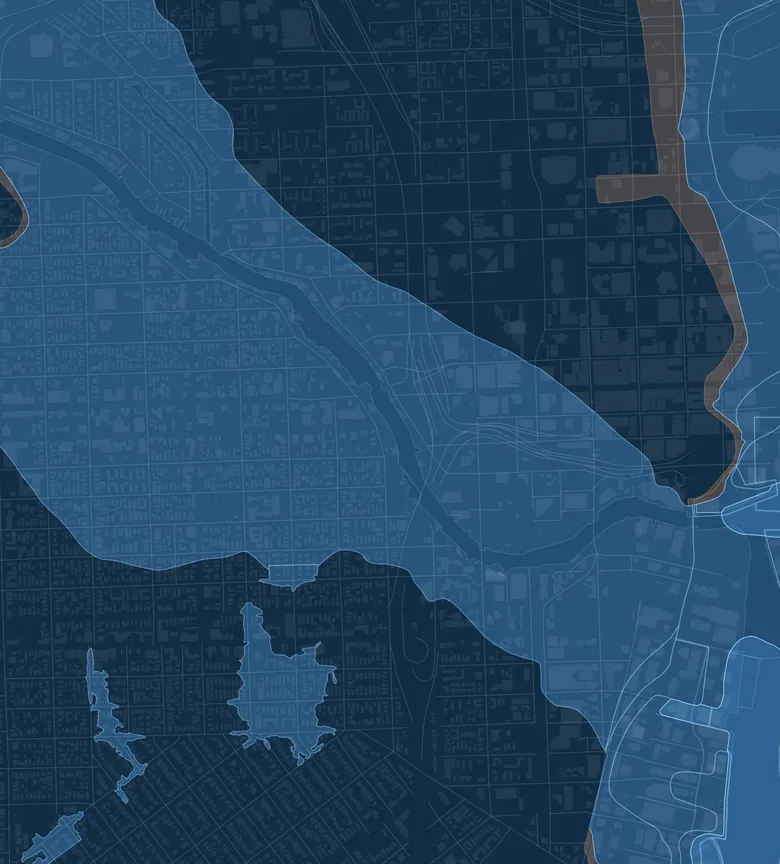
Zone of each building. Office and warehouse: Zone AE, in a special flood hazard area. Caretaker’s house: Zone X, outside it.
Flood policy
Coverage, on page 2. Building coverage: $500,000. Contents coverage: not elected.
Four of the more than 100 types of loan document FloodCaliber™ is designed to support, from appraisals and internal bank forms to construction estimates, notices and closing forms.
1Office contents: the server room
Required against in force
The office contents have a $120,000 gap.
The warehouse and the office building are covered.
1Office building
$500,000 covered
1Office contents
$0 of $120,000
2Warehouse
$210,000 covered
3Caretaker’s house
Not counted
Required $830,000· In force $710,000
Bayline Mutual Insurance CompanyNational Flood Insurance Program · Write Your Own
Named insured and mailing addressBayview Commerce Park LLC 1800 Bayview Commerce Pkwy Port Halden, FL 33000
Policy period11/01/2026 to 11/01/202712:01 a.m. standard time at the insured property location
Insured buildingBuilding 1 of 3 · Office, two stories 1800 Bayview Commerce Pkwy Port Halden, FL 33000
First mortgageePort Halden Community Bank ISAOA/ATIMA 220 Front St, Port Halden, FL 33000 Loan no. 2026-0733
Flood zoneAE
OccupancyNon-residential
Building descriptionOffice, two floors
ConstructionPost-FIRM · masonry
CoverageLimitDeductiblePremium
Building coverage$500,000$2,000$8,214.00
Contents coverageNot elected——
Increased cost of compliance (ICC)$30,000—$75.00
Federal policy fee and surcharges$1,112.00
Total annual premium$9,401.00
This declarations page and the Standard Flood Insurance Policy, General Property Form, constitute your flood insurance policy. Coverage for the building is limited to the amount shown above. Contents are covered only when a contents limit is shown.
J. WhitcombeAuthorized representative
Bayline Mutual Insurance Company · NFIP WYOPage 2 of 6
Sample
Flood policy, declarations, page 2
Source evidence
The policy shows why.
Every number opens the page it came from. Here, one line of the flood policy.
Tell us about your flood process and the loans you review.
See a review worked from documents to approval.
Get a written scope and price for your bank.
In short: FloodCaliber™ is flood compliance software for U.S. lenders. It reads each loan’s files, checks every building against FEMA flood data, works out the coverage the federal flood rules require, flags any gap and keeps the source page behind every number. It runs inside your bank’s own environment.