
The agencies’ answer
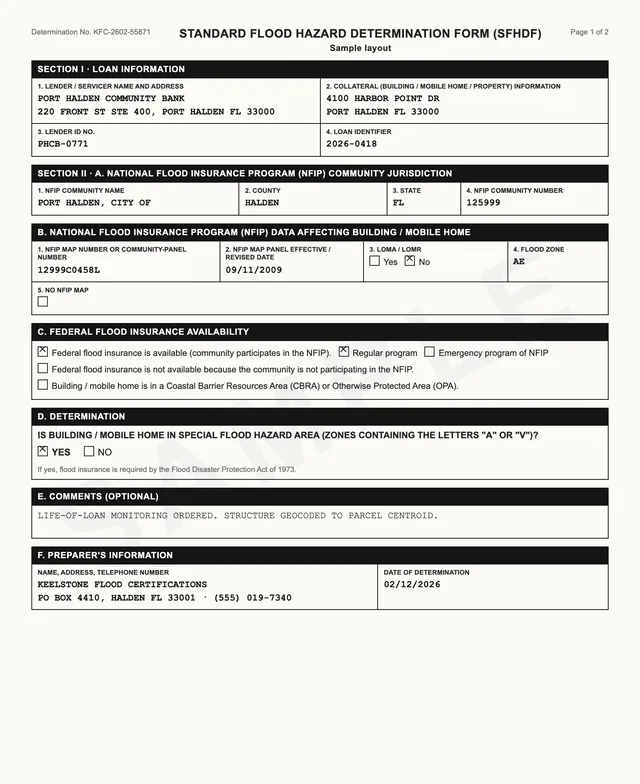
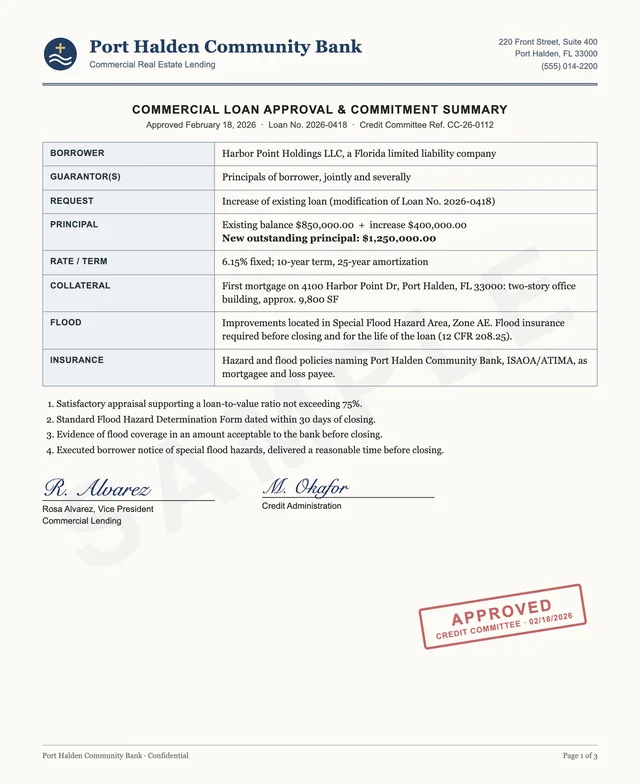
Under the Regulation, a triggering event occurs when a designated loan is made, increased, extended, or renewed (also known as a “MIER” or “MIRE” event).23 If a triggering event occurs with respect to a designated loan, the lender must comply with the Regulation as applicable, including the mandatory flood insurance purchase requirement, the requirement to provide the Notice of Special Flood Hazards to the borrower, the requirement to notify the Administrator of the Federal Emergency Management Agency (FEMA) or the Administrator's designee (the insurance provider) in writing of the identity of the servicer of the loan, and the requirement to escrow for a loan secured by residential property, unless either the lender or the loan qualifies for an exception.24
Examples of events that are not considered triggering events for purposes of the Regulation include: The purchase of a loan from another lender (see Q&A Applicability 5); a loan restructuring or modification that does not increase the amount of the loan nor extend or renew the terms of the loan (see Q&A Applicability 6); the assumption of the loan by another borrower; the remapping of a building securing the loan into an SFHA; the acquisition by a lender of an interest in a loan either by participation or syndication (see Q&A Applicability 9); a cashless roll (see Q&A Applicability 10); certain automatic extensions of credit (see Q&A Applicability 11); And certain treatments of force placement premiums and fees (see Q&A Force Placement 10).
Footnotes
- 12 CFR 22.3(a); 12 CFR 208.25(c)(1) (Board); 12 CFR 339.3(a) (FDIC); 12 CFR 614.4930(a) (FCA); and 12 CFR 760.3(a) (NCUA).
- See 12 CFR part 22 (OCC); 12 CFR 208.25 (Board); 12 CFR part 339 (FDIC); 12 CFR part 614 (FCA); and 12 CFR part 760 (NCUA).
Source
- Interagency Questions and Answers Regarding Flood Insurance, 87 FR 32826 (May 31, 2022), Federal Register. Published by the OCC, the Federal Reserve, the FDIC, the Farm Credit Administration and the NCUA.
- Applicability 13 on the Federal Reserve’s page for the Q&As.
Text retrieved October 29, 2026.