
The agencies’ answer
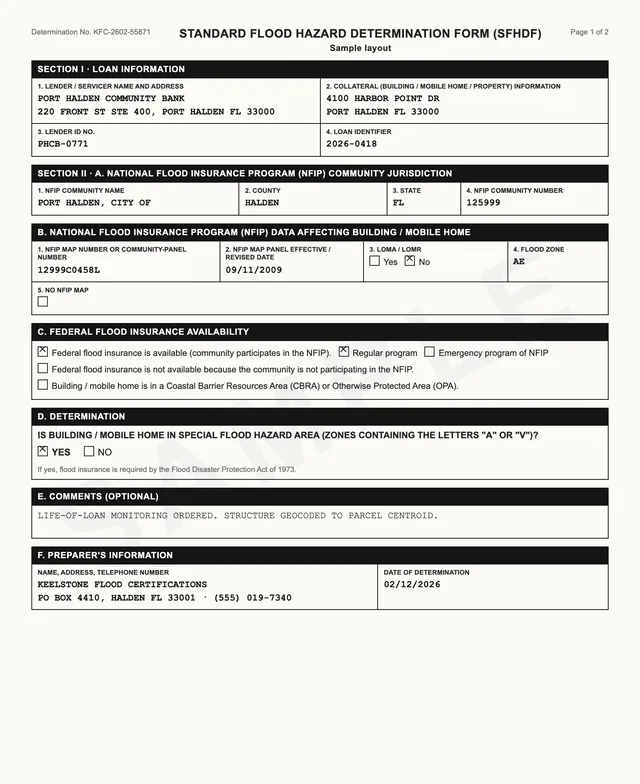
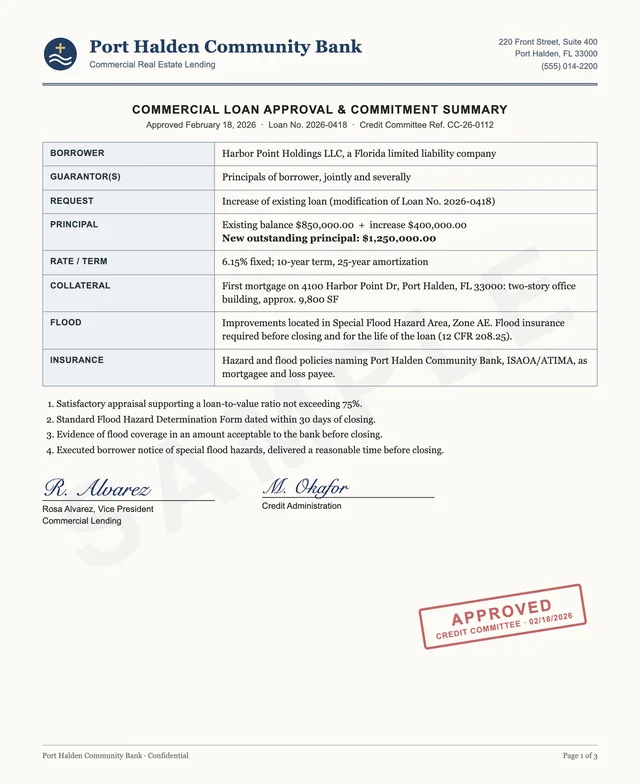
It depends. If a loan modification or restructuring involves recapitalizing into the loan's outstanding principal balance: (1) Delinquent payments and other amounts due under the loan and the maturity date of the loan otherwise stays the same, or (2) amounts that were otherwise originally contemplated to be part of the loan pursuant to the contract with the borrower and the maturity date of the loan otherwise stays the same, the Regulation would not apply because the modification or restructuring would not increase, extend, or renew the terms of the loan.
In contrast, if the loan modification or restructuring changes terms of the loan such as by increasing the outstanding principal balance beyond what was contemplated as part of the loan under the contract with the borrower, or by extending the maturity date of the loan, the Regulation would apply because the lender increased or extended the terms of the loan beyond what was originally contemplated to be part of the loan.13
Footnotes
- 12 CFR 22.3(a) (OCC); 12 CFR 208.25(c)(1) (Board); 12 CFR 339.3(a) (FDIC); 12 CFR 614.4930 (FCA); and 12 CFR 760.3(a) (NCUA).
Source
- Interagency Questions and Answers Regarding Flood Insurance, 87 FR 32826 (May 31, 2022), Federal Register. Published by the OCC, the Federal Reserve, the FDIC, the Farm Credit Administration and the NCUA.
- Applicability 6 on the Federal Reserve’s page for the Q&As.
Text retrieved October 29, 2026.