
The agencies’ answer
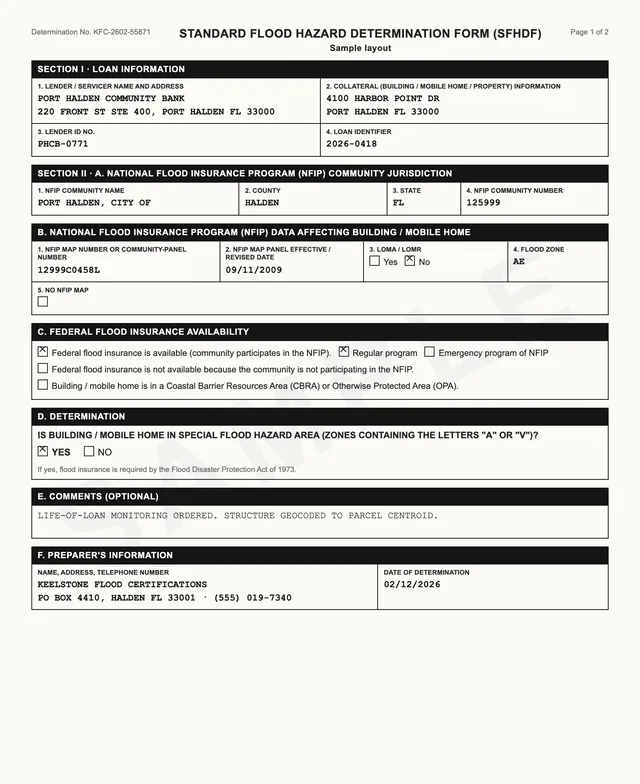
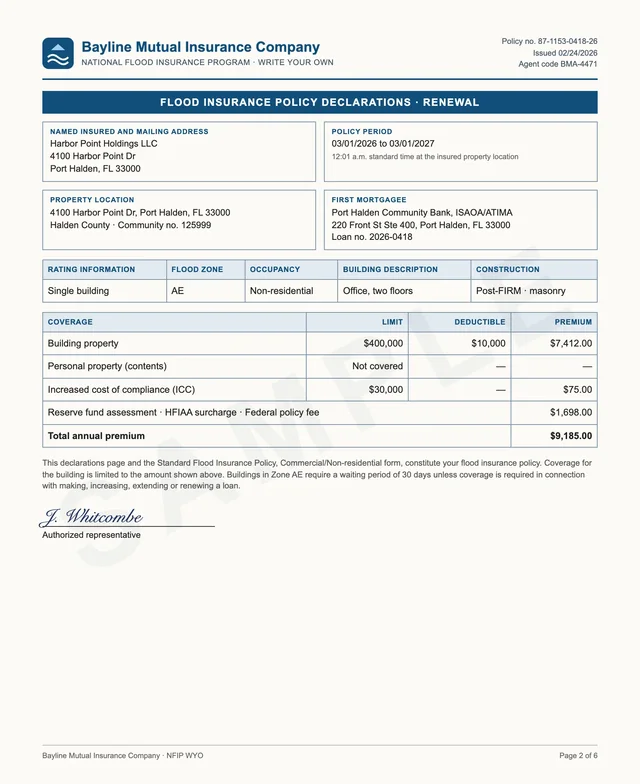
If a lender determines at any time during the term of a designated loan that the loan is not covered by flood insurance or is covered by such insurance in an amount less than that required under the Act and the Regulation, the lender must notify the individual unit owner of the requirement to maintain flood insurance coverage sufficient to meet the Regulation's mandatory requirements.101 The lender should encourage the individual unit owner to work with the condominium association to acquire a new RCBAP in an amount sufficient to meet the Regulation's mandatory flood insurance purchase requirement. See Q&A Condo and Co-Op 3. Failing that, the lender must require the individual unit owner to obtain a flood insurance policy in an amount sufficient to meet the Regulation's mandatory flood insurance purchase requirement. S ee Q&As Condo and Co-Op 4 & 5. If the borrower/unit owner or the condominium association fails to purchase flood insurance sufficient to meet the Regulation's mandatory requirements within 45 days of the lender's notification to the individual unit owner of inadequate insurance coverage, the lender must force place the necessary flood insurance on the borrower's behalf.102
Footnotes
- 12 CFR 22.7(a) (OCC); 12 CFR 208.25(g)(1) (Board); 12 CFR 339.7(a) (FDIC); 12 CFR 614.4945(a) (FCA); and 12 CFR 760.7(a) (NCUA).
- 12 CFR 22.7(a) (OCC); 12 CFR 208.25(g)(1) (Board); 12 CFR 339.7(a) (FDIC); 12 CFR 614.4945(a) (FCA); and 12 CFR 760.7(a) (NCUA).
Source
- Interagency Questions and Answers Regarding Flood Insurance, 87 FR 32826 (May 31, 2022), Federal Register. Published by the OCC, the Federal Reserve, the FDIC, the Farm Credit Administration and the NCUA.
- Condo and Co-Op 6 on the Federal Reserve’s page for the Q&As.
Text retrieved October 29, 2026.