
The agencies’ answer
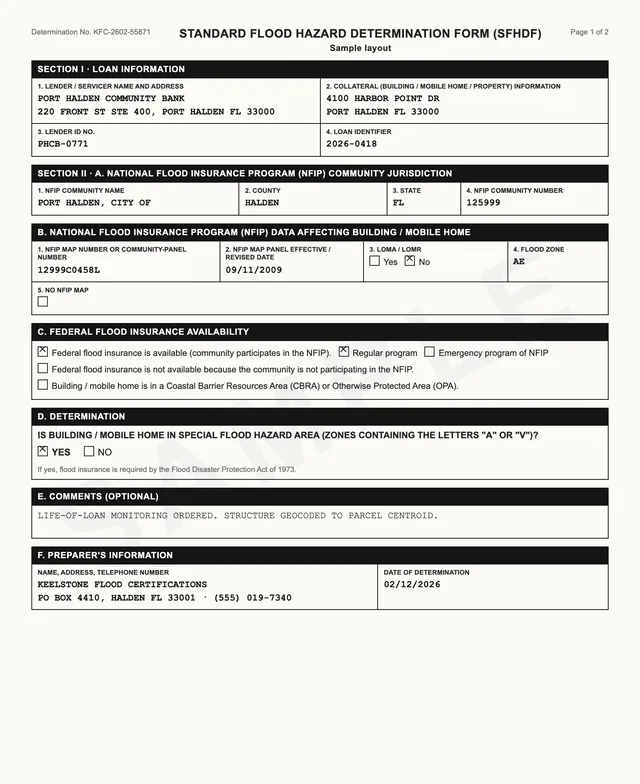
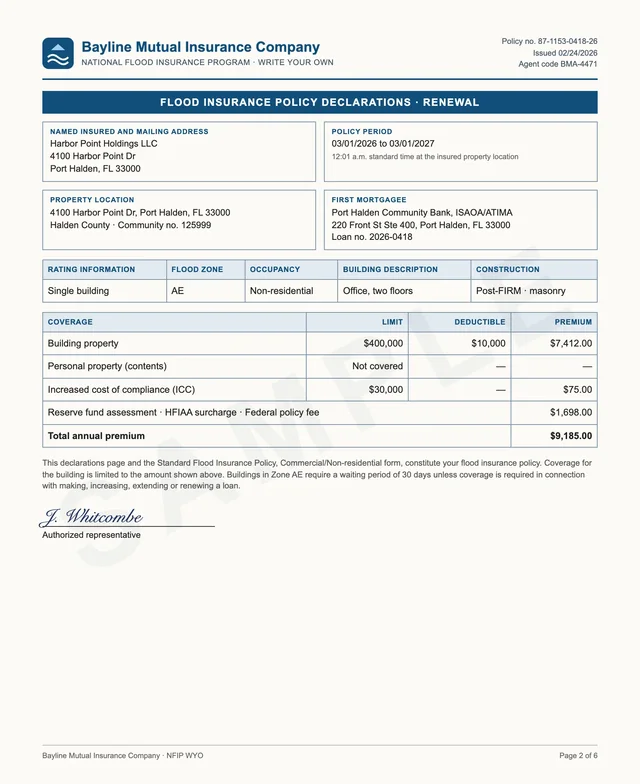
A lender can rely on existing force-placed insurance to satisfy the mandatory flood insurance purchase requirement if the borrower does not purchase his or her own policy. The Regulation states that a lender “shall not make, increase, extend or renew any designated loan unless the building or mobile home and any personal property securing the loan is covered by flood insurance for the term of the loan.”161 Assuming the force-placed policy is in effect and otherwise satisfies the regulatory coverage standards, then that policy may satisfy the mandatory purchase requirement.
A refinance is the “making” of a loan, and a loan modification that increases, renews, or extends a loan is a triggering event for the flood insurance requirements. See Applicability 6 and Applicability 13. Therefore, when a lender refinances, increases, renews, or extends an existing loan, the lender is required to provide the Notice of Special Flood Hazards, which details the borrower's obligation to obtain a flood insurance policy for any building in an SFHA securing the loan.162 At that time, the lender, at its discretion, could encourage the borrower to purchase his or her own policy, which may be available for a lower premium amount.
Footnotes
- 12 CFR 22.3(a) (OCC); 12 CFR 208.25(c)(1) (Board); 12 CFR 339.3(a) (FDIC); 12 CFR 614.4930(a) (FCA); and 12 CFR 760.3(a) (NCUA).
- 12 CFR 22.9(a) (OCC); 12 CFR 208.25(i) (Board); 12 CFR 339.9(a) (FDIC); 12 CFR 614.4955(a) (FCA); and 12 CFR 760.9(a) (NCUA).
Source
- Interagency Questions and Answers Regarding Flood Insurance, 87 FR 32826 (May 31, 2022), Federal Register. Published by the OCC, the Federal Reserve, the FDIC, the Farm Credit Administration and the NCUA.
- Force Placement 13 on the Federal Reserve’s page for the Q&As.
Text retrieved October 29, 2026.