
The agencies’ answer
A lender may take the following alternative approaches:
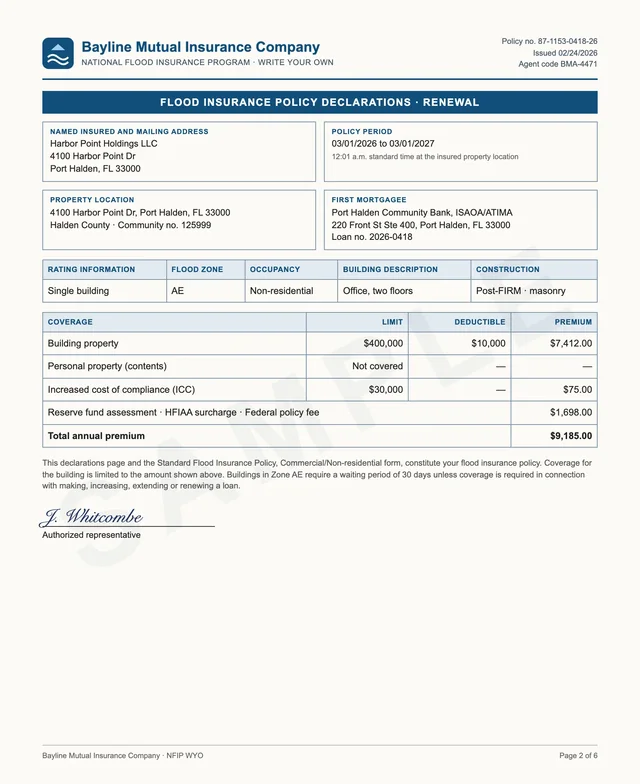
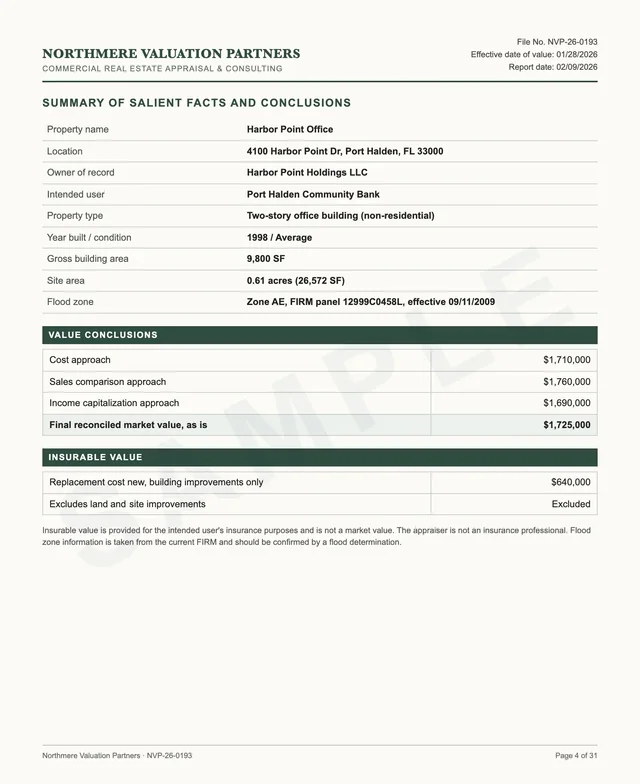
• For administrative convenience in complying with the flood insurance requirements, upon origination, a lender may require the purchase of flood insurance for the total amount of all loans or the maximum amount of flood insurance coverage available, whichever is less;105 or
• A lender may actively review its records throughout the year to determine whether the appropriate amount of flood insurance coverage is maintained, considering the draws made against the line or repayments made to the account. In those instances in which there is no policy on the collateral at time of origination, the borrower must, at a minimum, obtain a policy as a requirement for drawing on the line. Lenders that choose to actively review the line should inform the borrower that this option may have more risks, such as inadequate flood insurance coverage during the 30-day waiting period for an NFIP flood policy to become effective. Lenders should be prepared to initiate force placement procedures if at any time the lender determines a lack of adequate flood insurance coverage for a designated line of credit, as required under the Regulation.106
Footnotes
- 12 CFR 22.3(a) (OCC); 12 CFR 208.25(c)(1) (Board); 12 CFR 339.3(a) (FDIC); 12 CFR 614.4930(a) (FCA); and 12 CFR 760.3(a) (NCUA).
- 12 CFR 22.7(a) (OCC); 12 CFR 208.25(g)(1) (Board); 12 CFR 339.7(a) (FDIC); 12 CFR 614.4945(a) (FCA); and 12 CFR 760.7(a) (NCUA).
Source
- Interagency Questions and Answers Regarding Flood Insurance, 87 FR 32826 (May 31, 2022), Federal Register. Published by the OCC, the Federal Reserve, the FDIC, the Farm Credit Administration and the NCUA.
- Other Security Interests 3 on the Federal Reserve’s page for the Q&As.
Text retrieved October 29, 2026.