
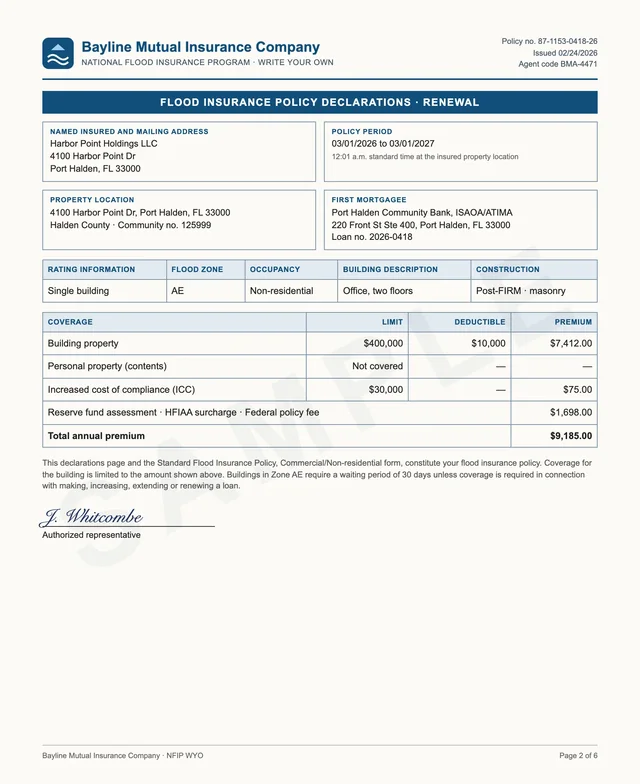
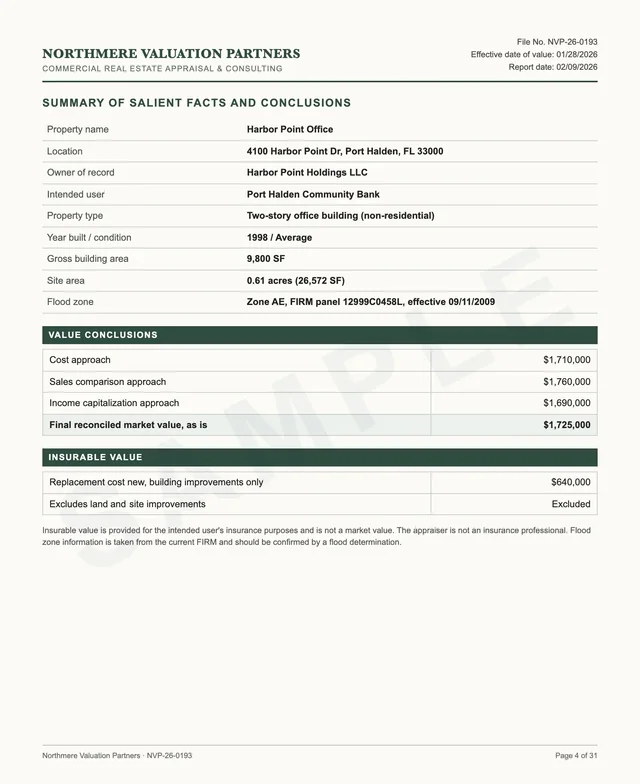
The agencies’ answer
A residential building is a non-commercial building designed for habitation by one or more families or a mixed-use building that qualifies as a single-family, 2-4 family, or other residential building.
The NFIP provides the following definitions:
• A single family dwelling is either a residential single-family building in which the total floor area devoted to non-residential uses is less than 50 percent of the building's total floor area, or a single-family residential unit within a 2-4 family building, other-residential building, business, or non-residential building, in which commercial uses within the unit are limited to less than 50 percent of the unit's total floor area.
• A 2-4 family residential building is a residential building, containing 2-4 residential units and in which non-residential uses are limited to less than 25 percent of the building's total floor area. This category includes apartment buildings and condominium buildings. It excludes hotels and motels with normal room rentals for less than six months.
• An other residential building is a residential building containing five or more residential units or a mixed-use building in which the total floor area devoted to non-residential uses is less than 25 percent of the building's total floor area. This category includes condominium and apartment buildings as well as hotels, motels, tourist homes, and rooming houses where the normal occupancy of a guest is six months or more. Additional examples of other residential buildings include dormitories and assisted-living facilities.
For more complete information, refer to the NFIP Flood Insurance Manual.
Source
- Interagency Questions and Answers Regarding Flood Insurance, 87 FR 32826 (May 31, 2022), Federal Register. Published by the OCC, the Federal Reserve, the FDIC, the Farm Credit Administration and the NCUA.
- Amount 3 on the Federal Reserve’s page for the Q&As.
Text retrieved October 29, 2026.