
The agencies’ answer
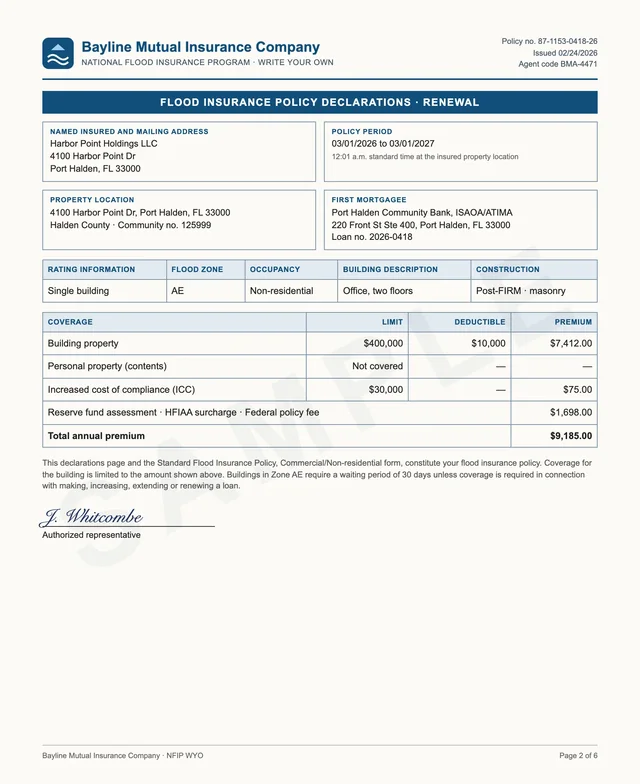
Pursuant to the NFIP Flood Insurance Manual, a non-residential building includes:
1. A building in which the named insured is a commercial enterprise primarily carried out to generate income and the coverage is for:
• A building not designed for habitation or residential uses;
• A mixed-use building in which the total floor area devoted to residential uses is 50 percent or less of the total floor area within the building if the residential building is a single-family property; or 75 percent or less of the total floor area within the building for all other residential properties; or
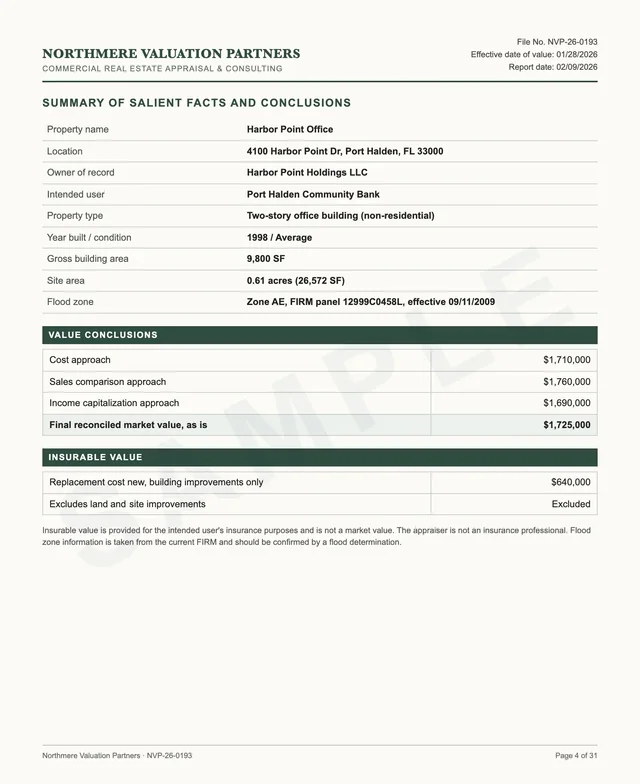
• A building designed for use as office or retail space, wholesale space, hospitality space, or for similar uses.
• The following buildings where the normal occupancy of a guest is less than six months: Condominium buildings, apartment buildings, hotels and motels, tourist homes, or rooming houses.
2. Other non-residential buildings including, but not limited to the following: Houses of worship, schools, agricultural structures, garages, pool houses, clubhouses, and recreational buildings.
For more complete information, refer to the NFIP Flood Insurance Manual.
Source
- Interagency Questions and Answers Regarding Flood Insurance, 87 FR 32826 (May 31, 2022), Federal Register. Published by the OCC, the Federal Reserve, the FDIC, the Farm Credit Administration and the NCUA.
- Amount 4 on the Federal Reserve’s page for the Q&As.
Text retrieved October 29, 2026.