
The agencies’ answer
Yes. For the purposes of the Act and the Regulation, the definition of residential improved real estate does not make a distinction between whether a building is single- or multi-family, or whether a building is owner- or renter-occupied.125 Single-family dwellings (including mobile homes), two-to-four family dwellings, and multi-family properties containing five or more residential units are considered residential improved real estate.
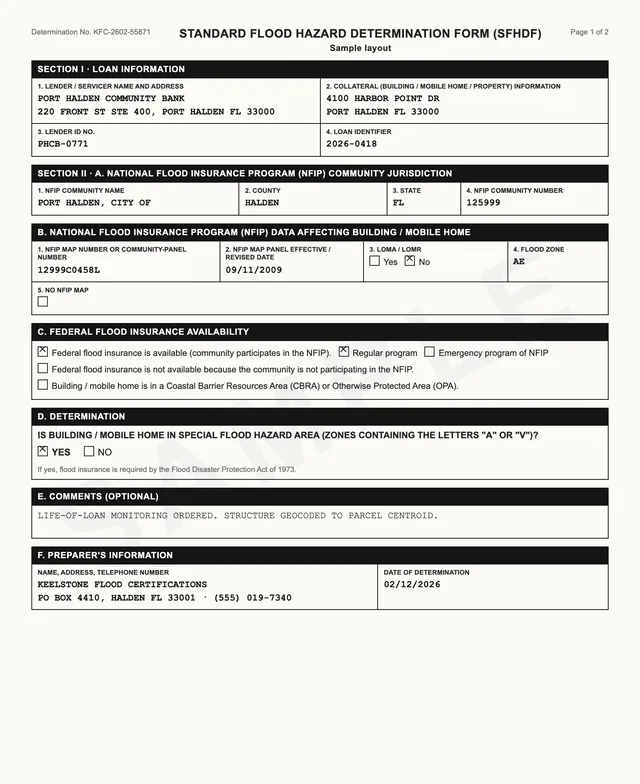
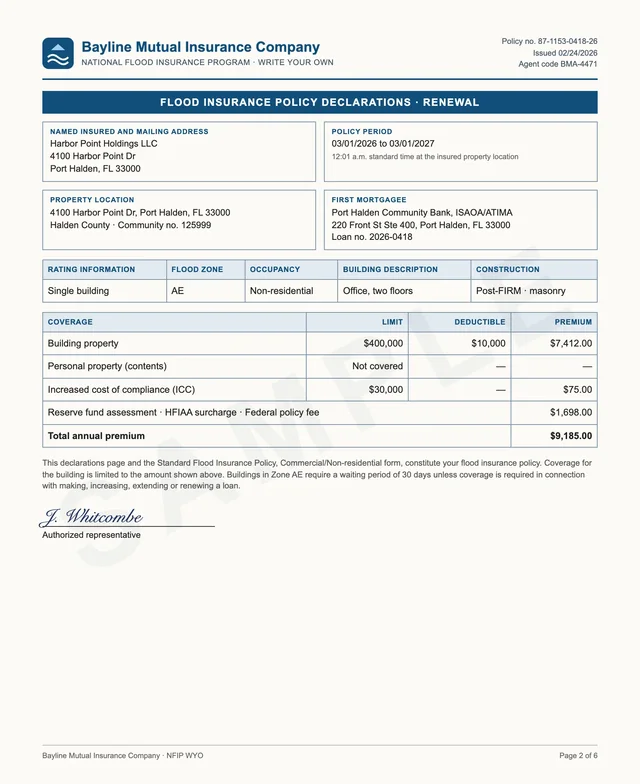
However, with regard to mixed-use properties, the lender should look to the primary use of a building to determine whether it meets the definition of “residential improved real estate.” See Q&As Amount 3 and 4 for guidance on residential and non-residential buildings. A loan secured by residential improved real estate is not subject to the escrow requirement if the loan is an extension of credit primarily for business, commercial or agricultural purposes.126
Footnotes
- 12 CFR 23.2(j) (OCC); 12 CFR 208.25(b)(8) (Board); 12 CFR 339.2 (FDIC); 12 CFR 614.4925 (FCA); and 12 CFR 760.2 (NCUA).
- 12 CFR 22.5(a)(2)(i) (OCC); 12 CFR 208.25(e)(1)(ii)(A) (Board); 12 CFR 339.5(a)(2) (FDIC); 12 CFR 614.4935(a)(2) (FCA); and 12 CFR 760.5(a)(2) (NCUA).
Source
- Interagency Questions and Answers Regarding Flood Insurance, 87 FR 32826 (May 31, 2022), Federal Register. Published by the OCC, the Federal Reserve, the FDIC, the Farm Credit Administration and the NCUA.
- Escrow 5 on the Federal Reserve’s page for the Q&As.
Text retrieved October 29, 2026.