
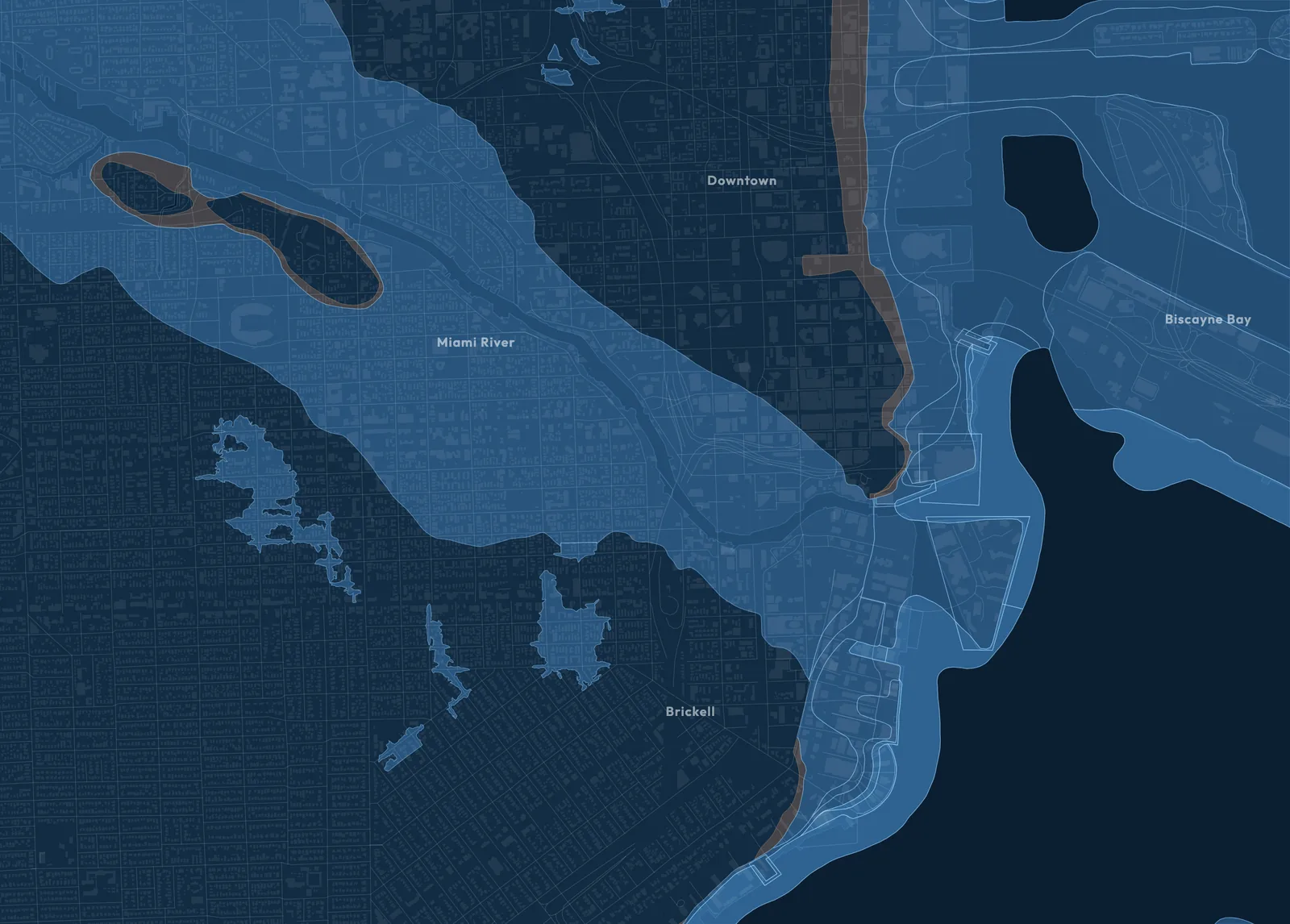
The key points
- A map change isn’t a triggering event. It doesn’t make, increase, extend or renew the loan (Q&A Applicability 13).
- Remapped in: the loan becomes a designated loan on the map change’s effective date. If the building isn’t covered for the required amount from that date, send the force-placement notice; if the borrower hasn’t obtained coverage within 45 days, place it (Q&A Force Placement 16).
- Mapped out: the federal requirement no longer applies. You may let the borrower cancel, or keep requiring coverage for safety and soundness (Q&A Applicability 4).
- Disputed zone: coverage stays in place until FEMA decides the building isn’t in an SFHA (Q&A Zone 3).
“Q&A” references are to the regulators’ 2022 Interagency Questions and Answers Regarding Flood Insurance. Rule citations are to the OCC’s Part 22; the Federal Reserve, FDIC, NCUA and Farm Credit Administration rules say the same.
What if a building is remapped into an SFHA?
Use the effective date
A loan secured by a building outside an SFHA doesn’t become a designated loan until the effective date of the map change. If you get advance notice, that effective date is when you check whether the building is covered for the required amount. You may write to the borrower before it as a courtesy (Q&A Force Placement 16).
Notify the borrower
If the borrower doesn’t have a policy beginning on the effective date, in at least the required amount, send the force-placement notice (Q&A Force Placement 16; 12 CFR 22.7(a)). If you learn of the remapping after the fact, make the determination then, and start the notice if coverage is missing or short.
Place coverage by day 45
If the borrower hasn’t obtained the coverage within 45 days after notification, you must purchase it. You may charge premiums and fees for coverage beginning on the map change’s effective date, but only if the policy you buy actually covers the property from that date (Q&A Force Placement 16 and Q&A Force Placement 9). Within 30 days of receiving confirmation of the borrower’s own coverage, tell the insurer to cancel the placed policy and refund the premiums and fees for any overlap (12 CFR 22.7(b); Q&A Force Placement 12). The full sequence is in our force-placement guide.
The loan doesn’t need a new notice of special flood hazards or a new escrow decision because of the map change alone. Those come with the next triggering event (Q&A Applicability 13).
What if a building is mapped out of an SFHA?
- The federal requirement ends. You’re no longer obligated to require flood insurance on a building that is no longer in an SFHA, though you may require it, considering state law, as a condition of the loan for safety and soundness (Q&A Applicability 4).
- Watch Regulation X on renewal. On a residential mortgage loan covered by Regulation X, if a servicer renews or replaces flood coverage it originally obtained because the FDPA required it, and the FDPA no longer requires it, the CFPB’s force-placed insurance rule in 12 CFR 1024.37 applies from then on, so the CFPB expects servicers to check the flood zone before renewing or replacing such coverage. Renewing a policy the borrower bought is treated differently (12 CFR 1024.37(a)(2)(ii) and (iii); 78 FR 10696).
How does a lender find out about map changes?
The flood rules don’t require you to review your portfolio or monitor coverage over the life of the loan; they apply when you make, increase, extend or renew a loan, or when you know or have reason to know coverage is needed. Many lenders monitor anyway, because it’s how they learn of map changes and lapses in time (Q&A Applicability 8; Q&A Force Placement 15).
Fees. You may charge the borrower a reasonable determination fee when the determination reflects FEMA’s revision or updating of flood plain areas or flood-risk zones, or a FEMA notice affecting the area. A determination fee can include life-of-loan monitoring, but a composite fee can be charged only in the four situations the rule allows, and not if the loan doesn’t close (12 CFR 22.8; Q&A Fees 1 and Q&A Fees 2).
Zone disputes and discrepancies
- The borrower disputes the determination. Try to resolve it with the determination provider first. If that fails, an appeal can go to FEMA through a Letter of Determination Review (LODR) or a Letter of Map Change (LOMA, LOMR or LOMR-F). Until FEMA determines the building isn’t in an SFHA, the required coverage must stay in place (Q&A Zone 3).
- The policy shows a different zone. You don’t need to reconcile a difference between the zone on your determination and the zone on the flood policy, and it isn’t a violation. Under FEMA’s Risk Rating 2.0, NFIP premiums no longer depend on the zone. Your determination still decides whether the building is in an SFHA (Q&A Zone 1 and Q&A Zone 2).
Reusing a determination
You may rely on a previous determination when you increase, extend, renew or purchase a loan, if it’s no more than seven years old, its basis is on the Standard Flood Hazard Determination Form, and no map revision or update has affected the property since (42 U.S.C. 4104b(e)). The same lender may also rely on its own earlier determination, on those conditions, for a refinancing or assumption, or another loan to the same borrower on the same property. A refinancing or assumption by a different lender is a new loan and needs a new determination (Q&A SFHDF 4).
Questions lenders ask
Is a flood map change a triggering event?
No. A remapping doesn’t make, increase, extend or renew the loan (Q&A Applicability 13; see which loan events trigger the rules). It starts the force-placement steps instead when the building is mapped in without enough coverage.
When does a remapped building need flood insurance?
From the map change’s effective date. If the building isn’t covered for the required amount from then, send the force-placement notice, and place coverage if the borrower hasn’t obtained it within 45 days (Q&A Force Placement 16).
Can a borrower drop flood insurance when a building is mapped out of an SFHA?
The federal requirement no longer applies, so you may let the borrower cancel, or keep requiring coverage for safety and soundness (Q&A Applicability 4).
What if the borrower disputes the flood zone?
Coverage stays in place until FEMA decides the building isn’t in an SFHA, for example with a Letter of Map Amendment or a Letter of Determination Review (Q&A Zone 3).
Can a lender reuse a determination made before a map change?
No. A previous determination can be reused only if it’s no more than seven years old and no map revision has affected the property since. See reusing a flood zone determination.
Sources
Rule text from the eCFR, current as of November 5, 2026, when we checked it on November 7, 2026.
- OCC: 12 CFR 22.7, Force placement, and 22.8, Determination fees. The same rules: Federal Reserve 12 CFR 208.25; FDIC Part 339; NCUA Part 760; Farm Credit Administration Part 614, subpart S
- Interagency Questions and Answers Regarding Flood Insurance, 87 FR 32826, May 31, 2022: Applicability, SFHDF, Fees, Zone and Force Placement
- CFPB, Mortgage Servicing Rules Under RESPA (Regulation X), 78 FR 10696, February 14, 2013
How FloodCaliber™ handles this
FloodCaliber™ runs inside your environment and keeps the map changes and the deadlines in one place.
- Flagged when found. A lapse, a shortfall or a flood-zone change is flagged on the loan and on the portfolio dashboard, which shows your loans on FEMA’s flood zone map.
- The amount, building by building. Required coverage is worked from your loan files, with each value linked to its page.
- The 45 days. The notice is prepared for your team, and each open case counts down from the confirmed notice date.
Our team works with your flood, servicing and compliance staff as a partner in flood compliance.
FloodCaliber™ supports your compliance program but does not guarantee compliance.